
SPECIALIST ACCESS
Explore Specialist Access
Access should serve the building, not dictate the intervention.
Spire grew from specialist access, but access is not a service we apply indiscriminately.
Every structure presents a different problem.
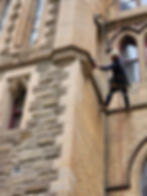
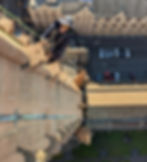
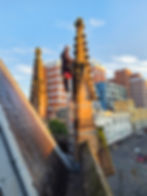
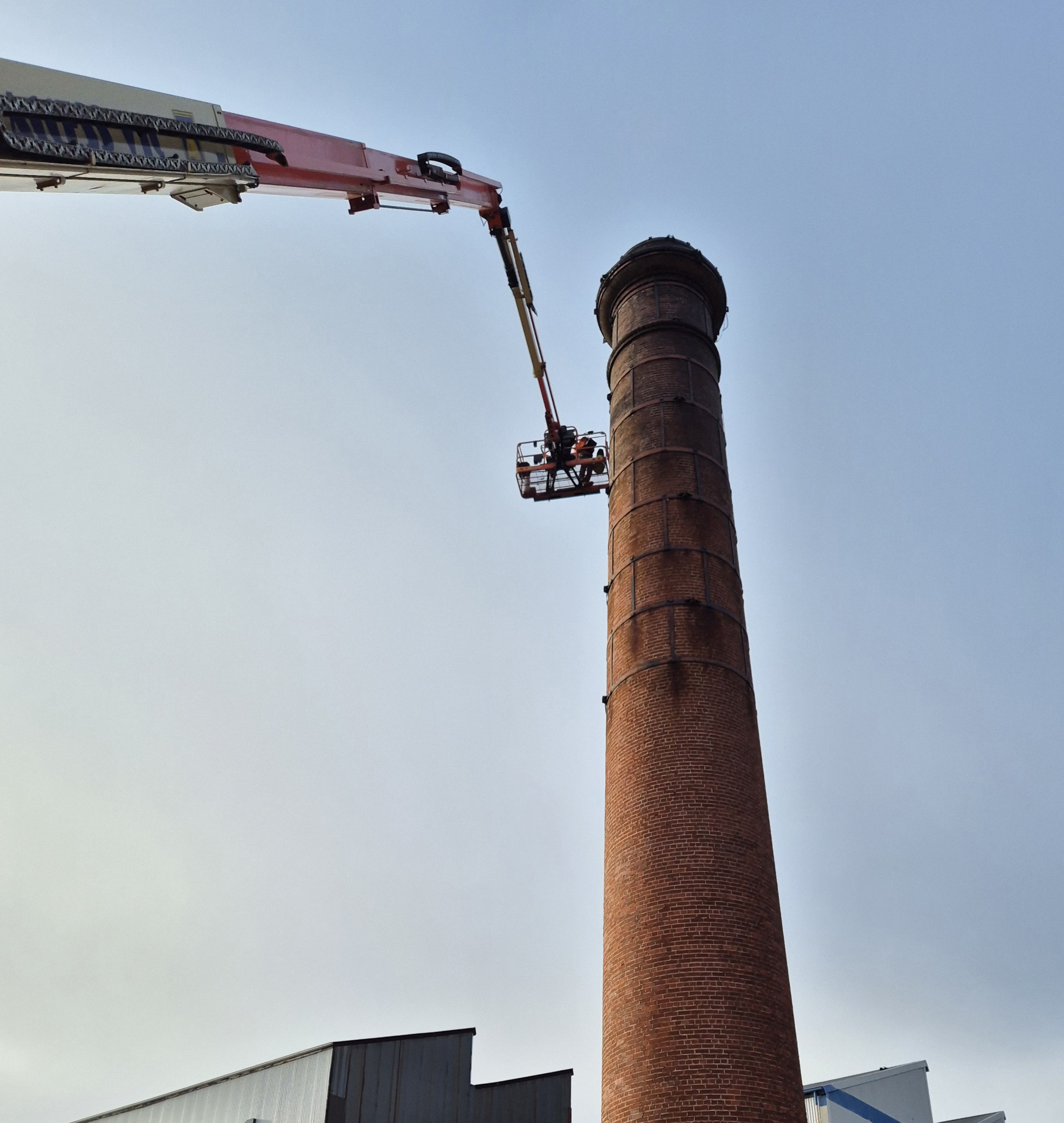
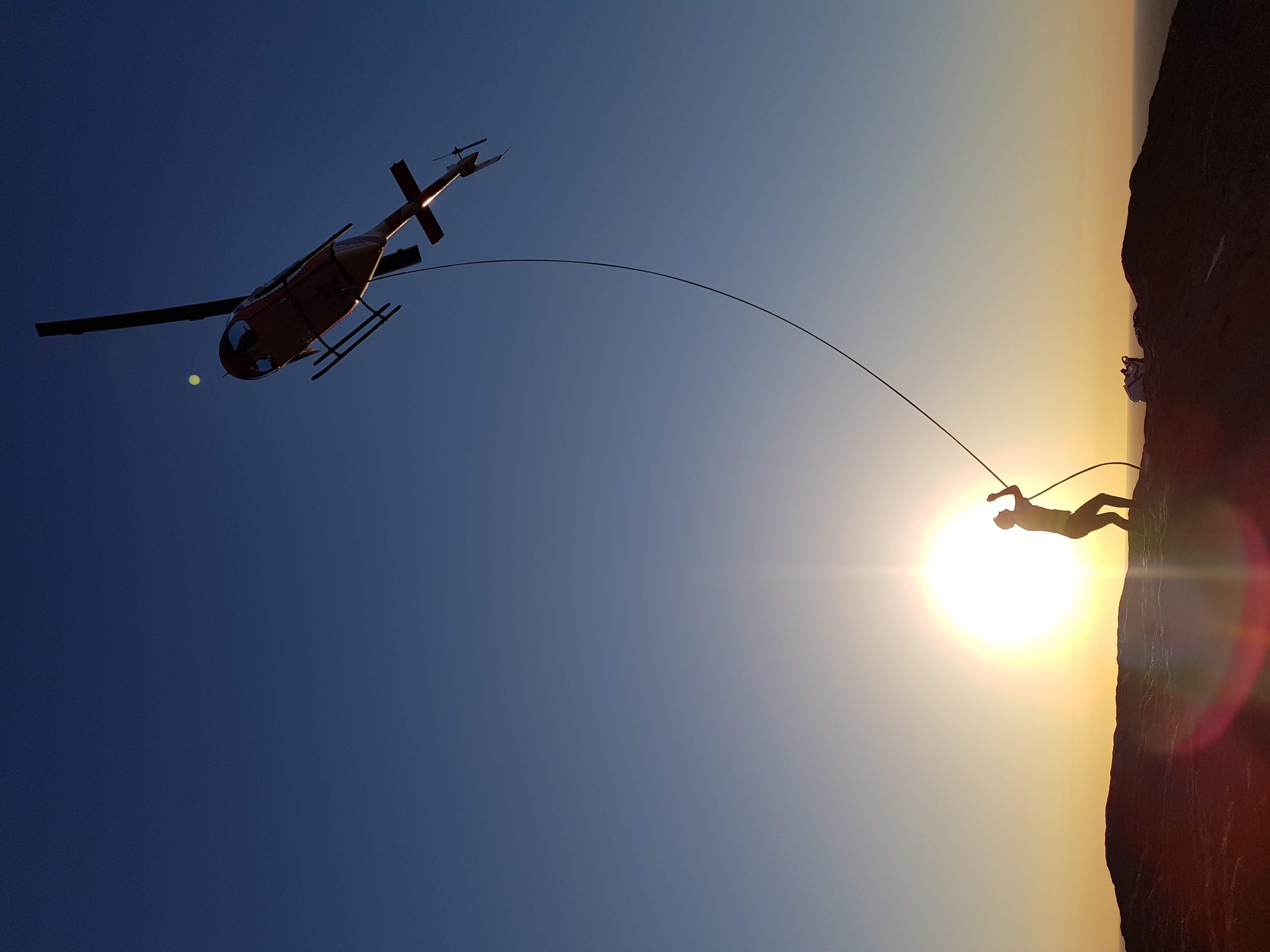
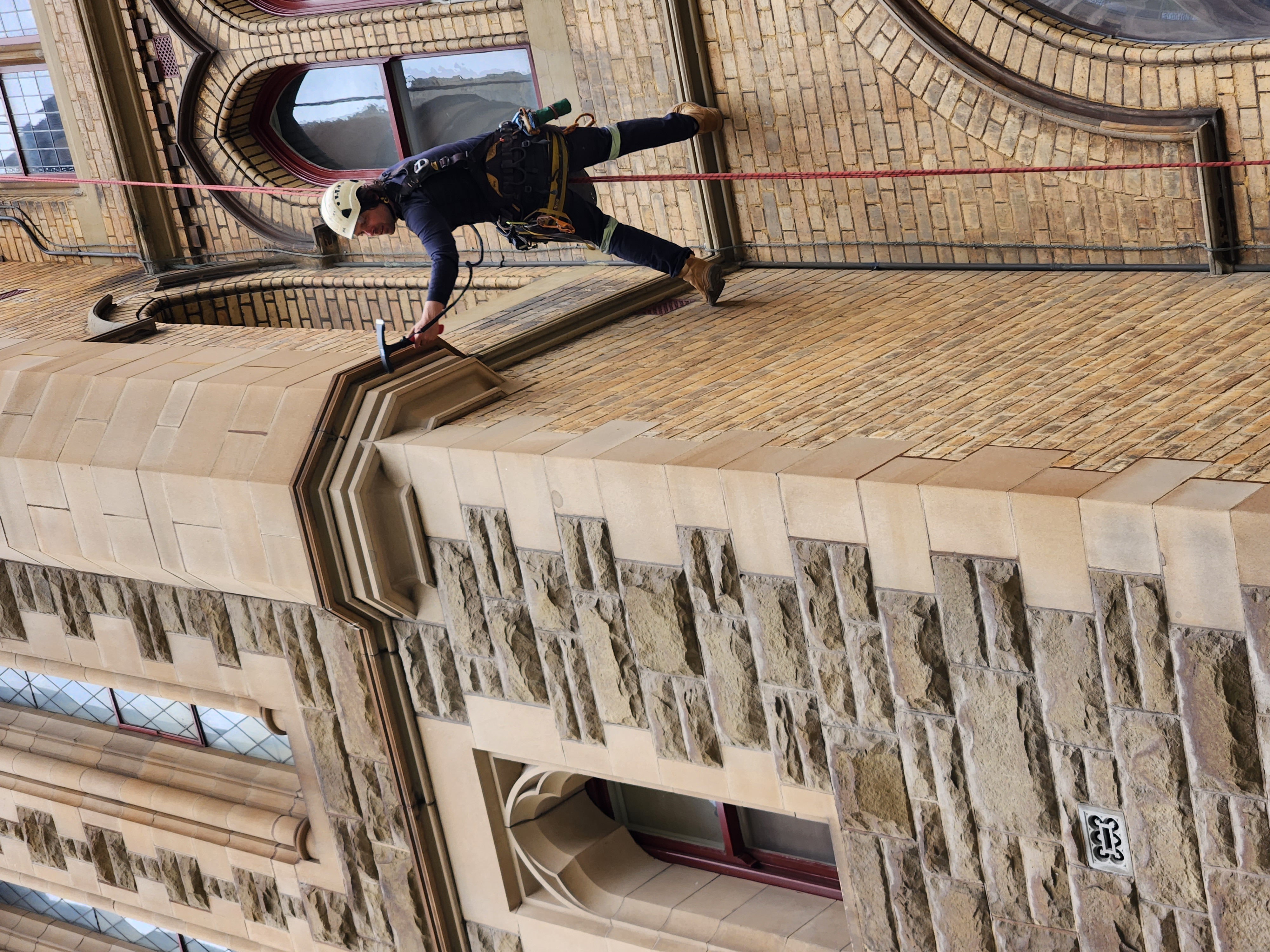
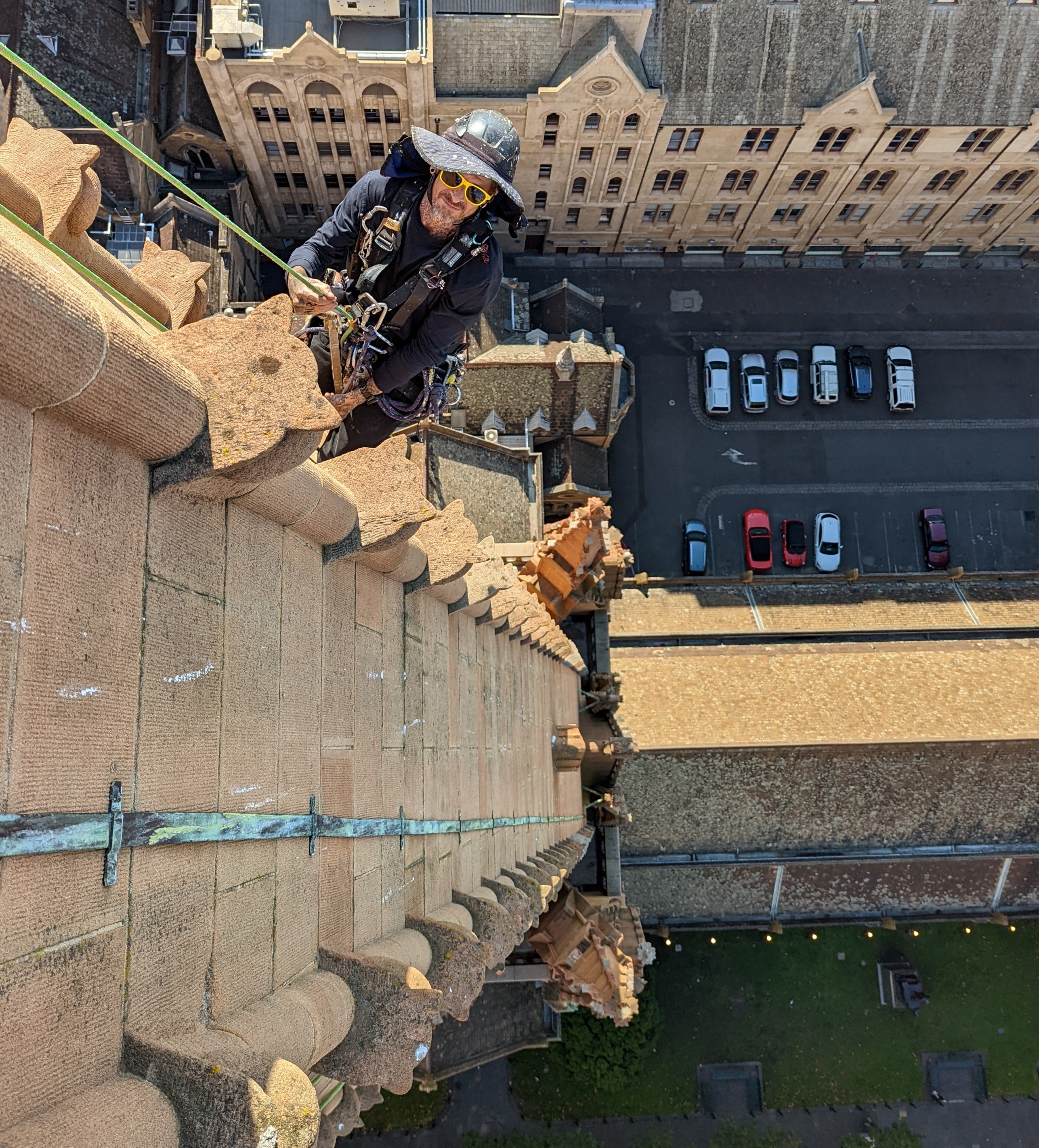
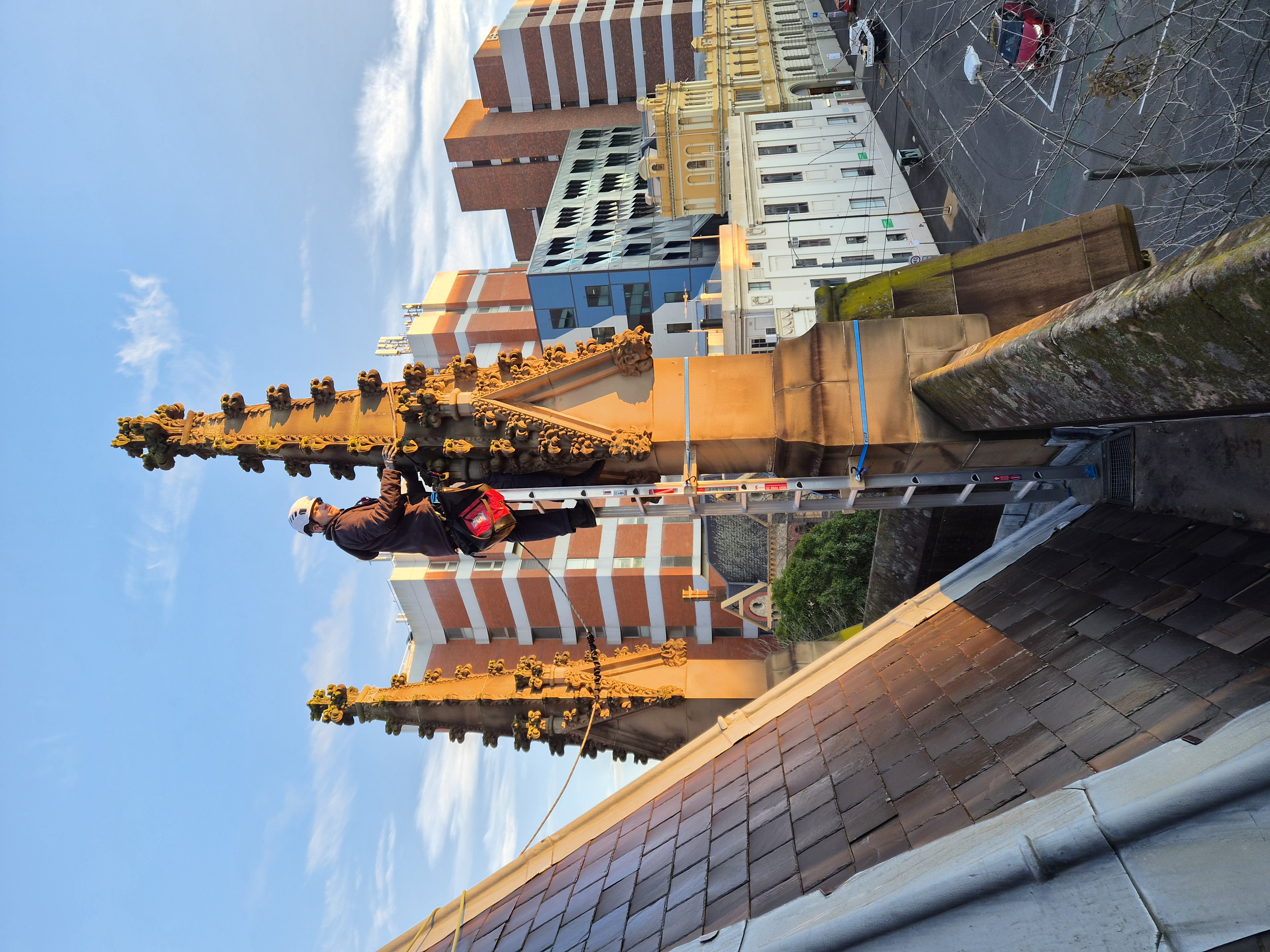
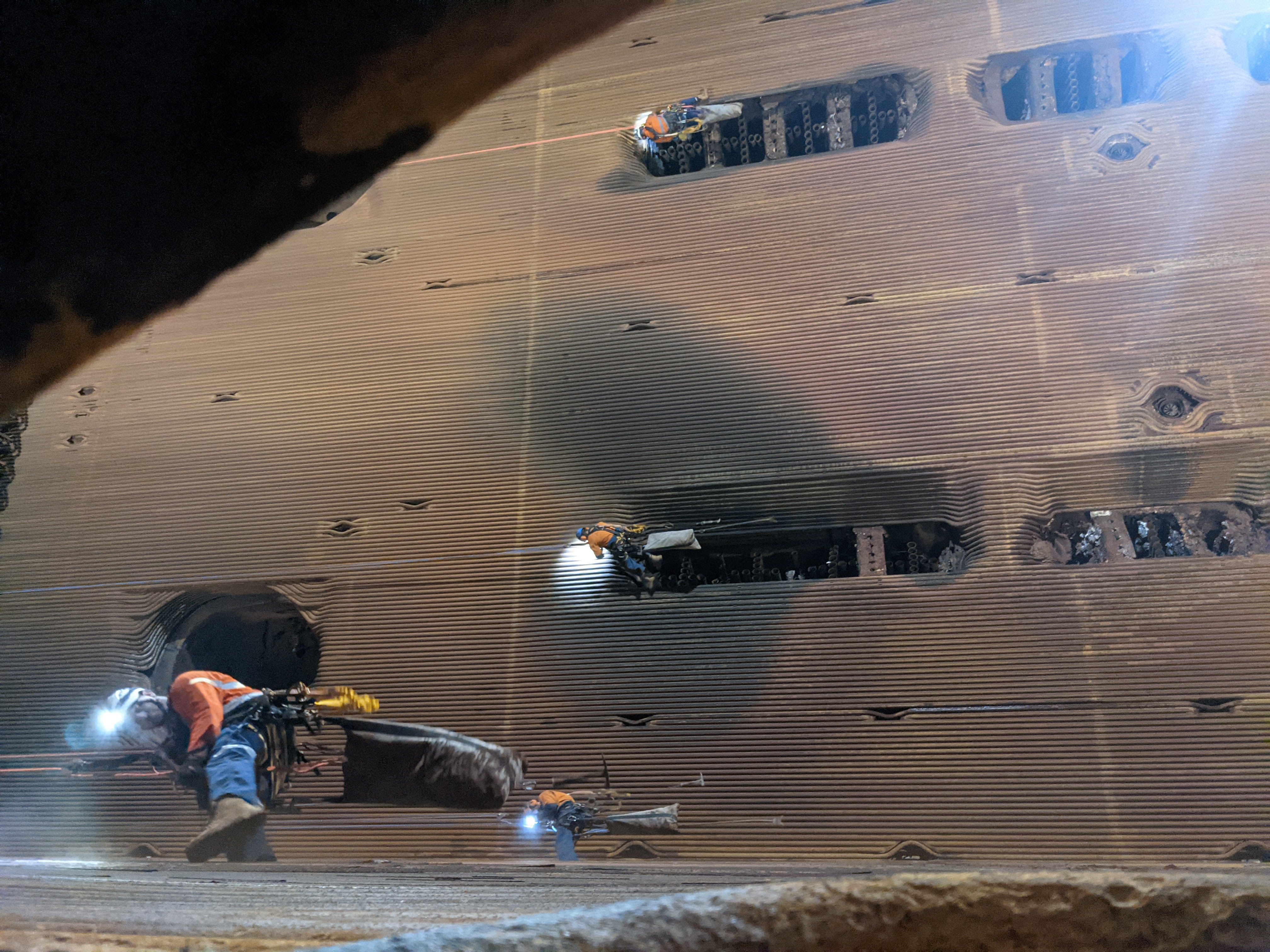
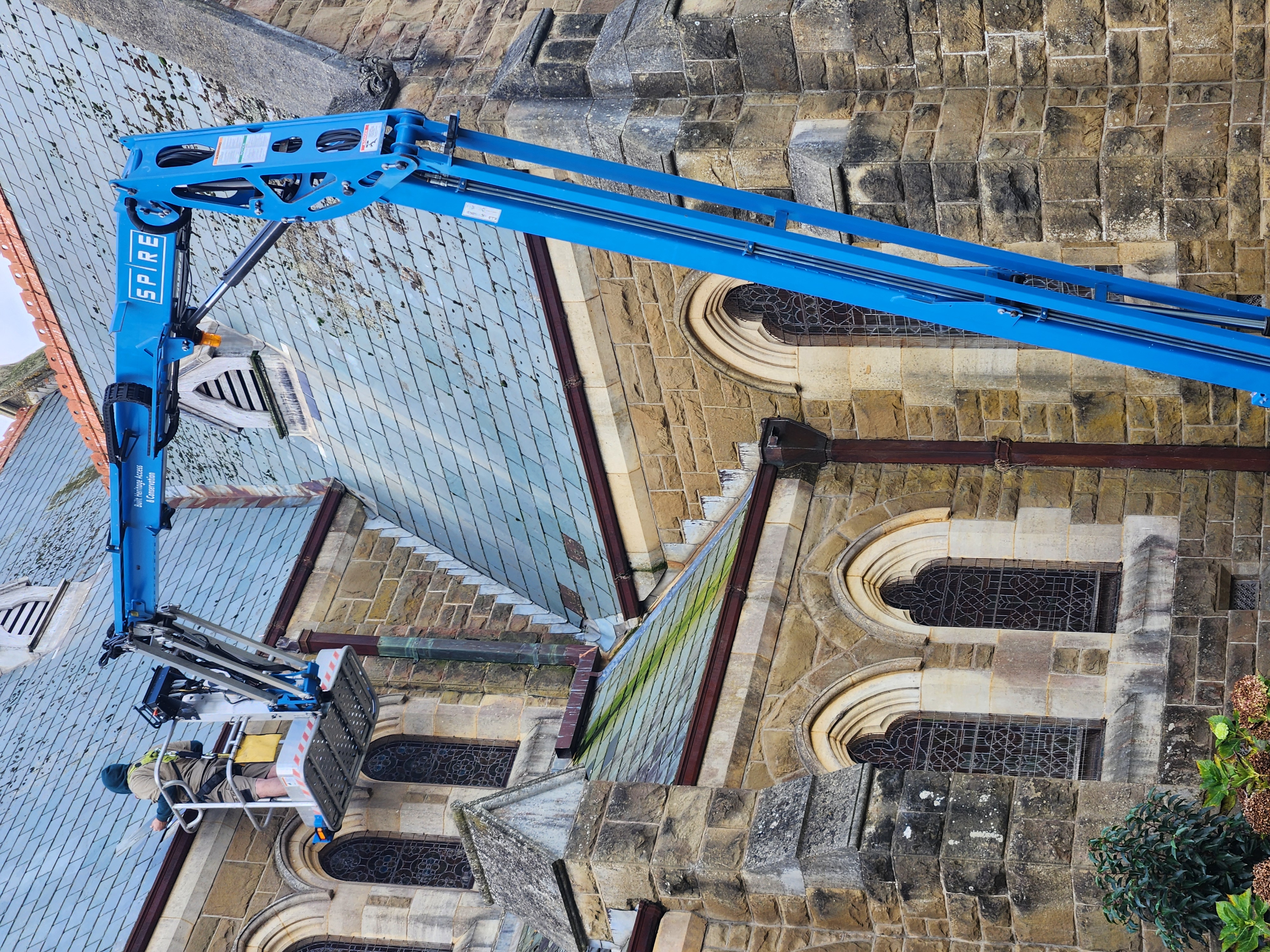
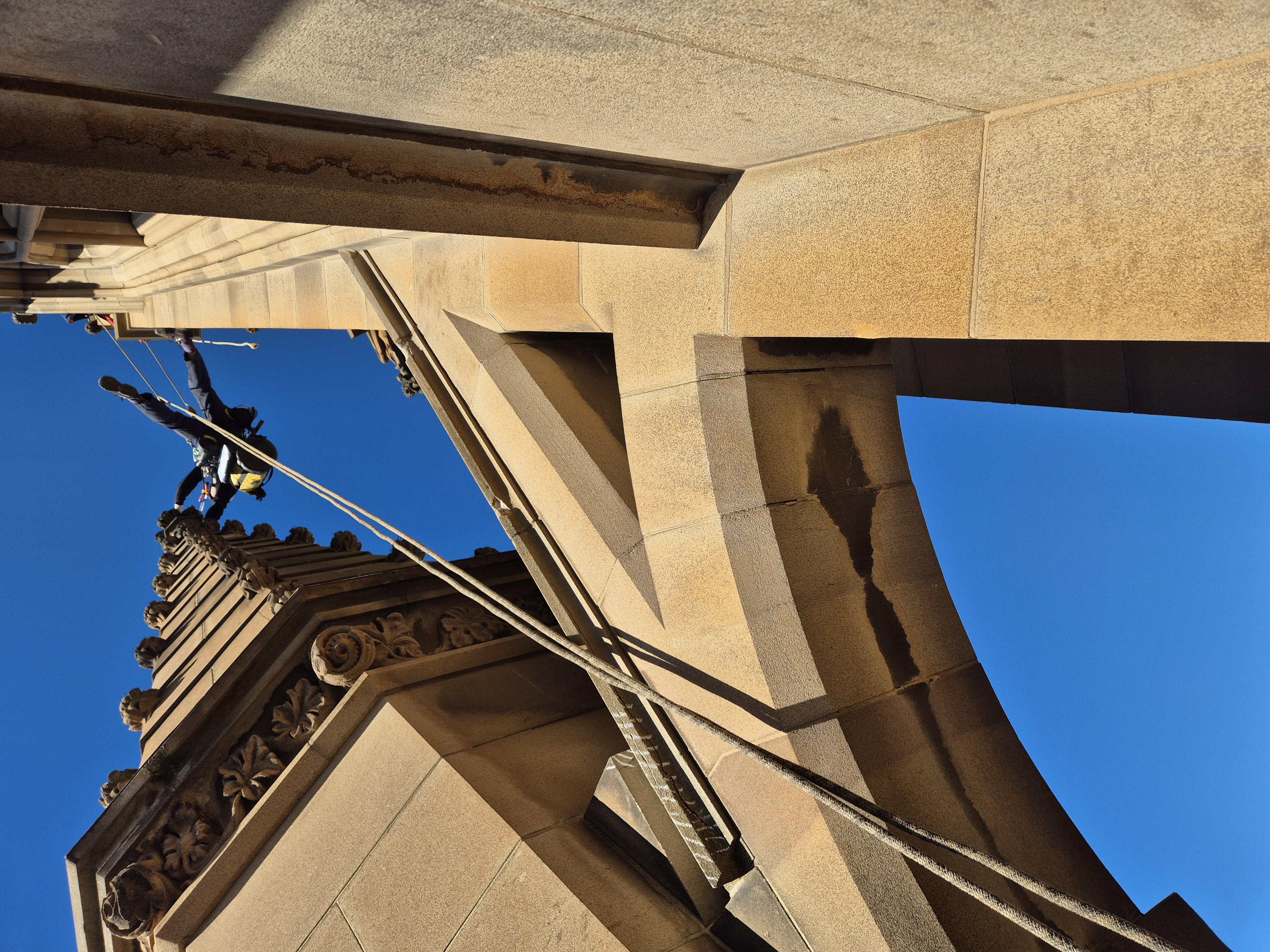
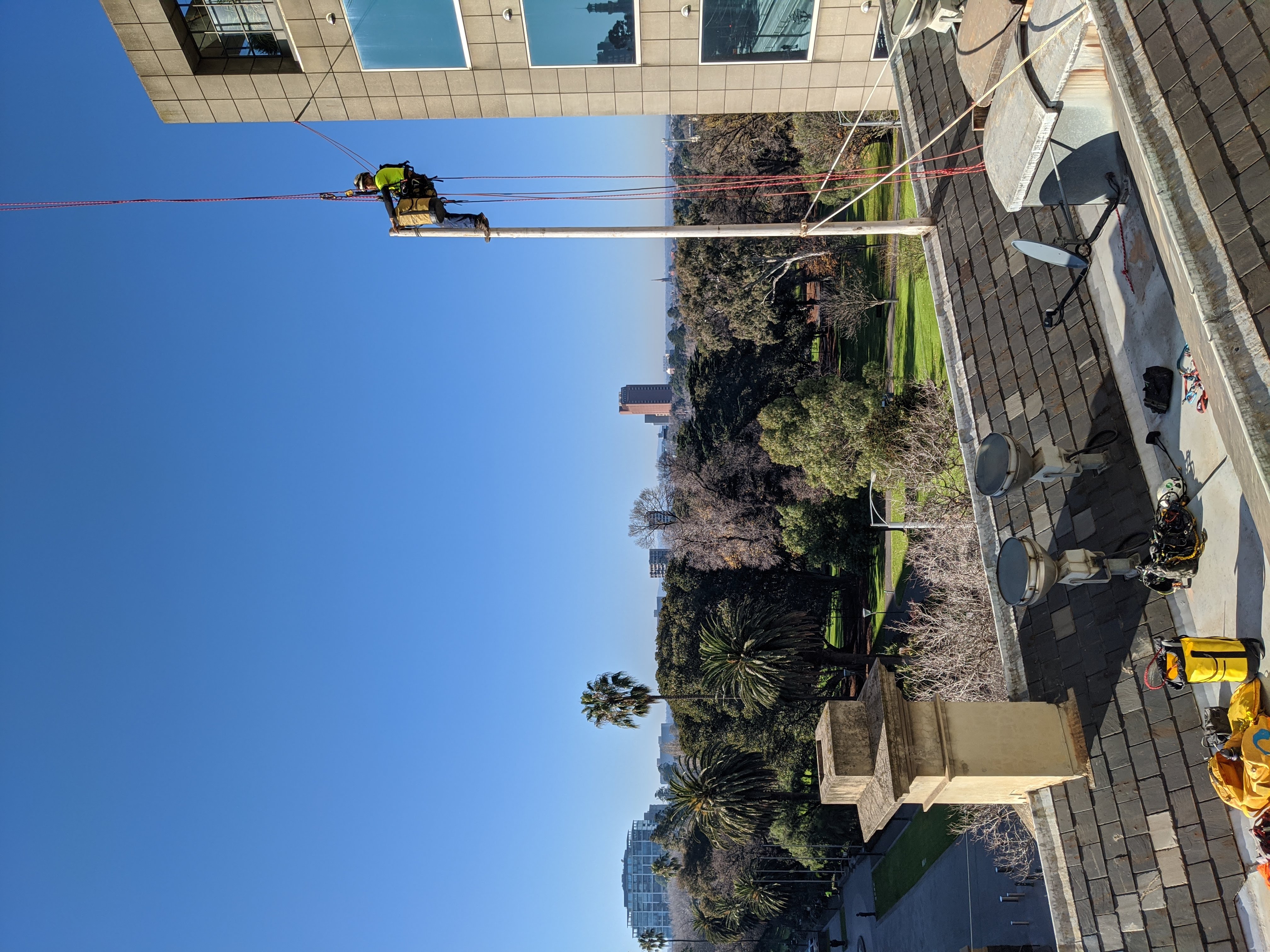
The correct solution may involve industrial rope access, an elevating work platform, traditional steeplejack techniques, lightweight temporary works, specialist rigging, drone survey—or a combination of several methods.




Designing the approach
Before work begins we consider:
the condition and geometry of the structure
the work to be undertaken
protection of significant fabric
public interface and falling-object risk
temporary loading
rescue and emergency requirements
installation and removal of temporary system
disruption to building users
opportunities to minimise permanent intervention.
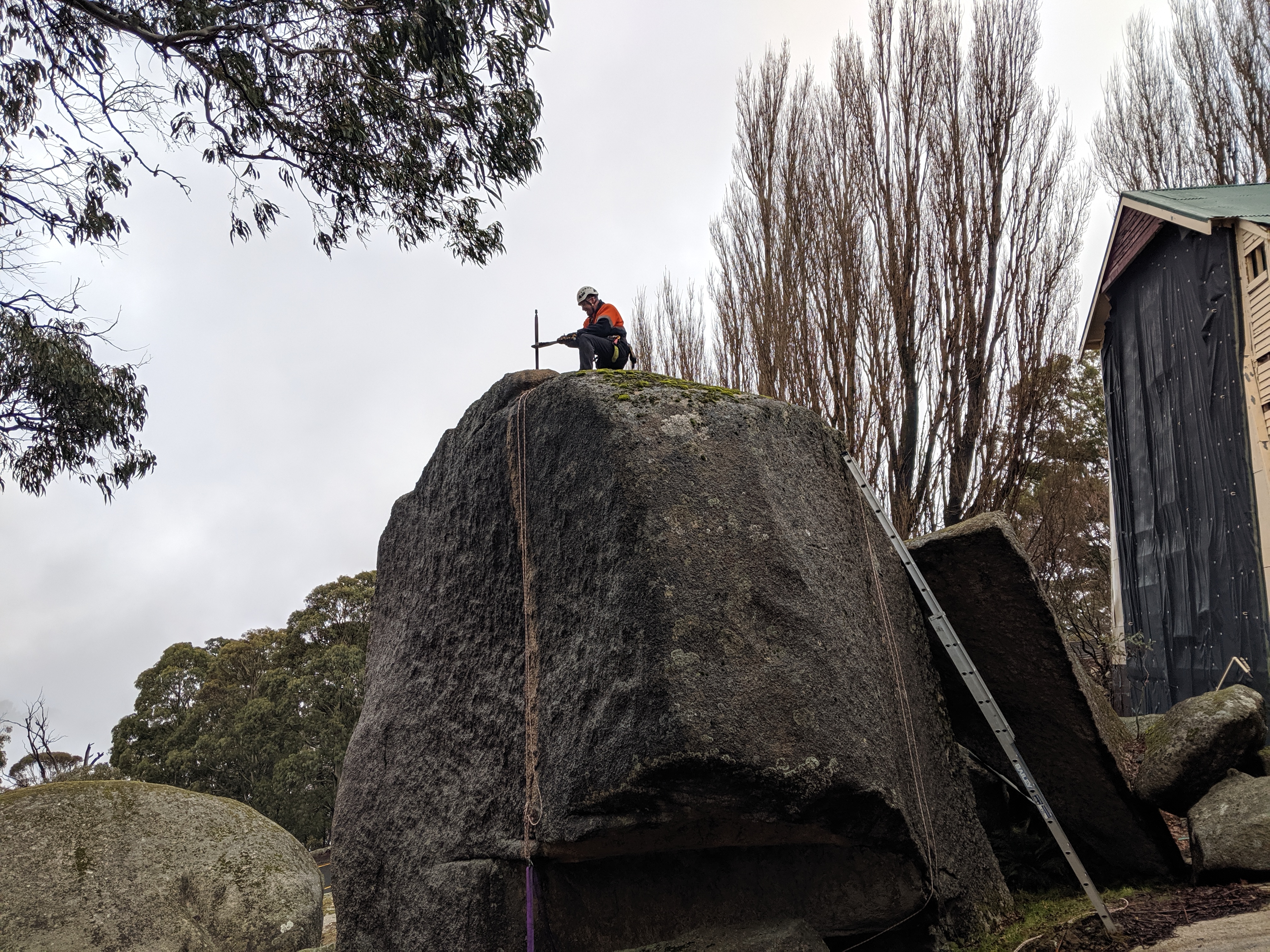
Some structures require bespoke solutions.
Historic spires and towers, in particular, were not designed around contemporary access requirements. Developing a safe means of reaching them without unnecessarily altering or loading significant fabric can itself become an important part of the project.
A small footprint
Where appropriate, specialist access can substantially reduce the physical footprint of investigation and repair works.
This can be particularly valuable for operational churches, public buildings, constrained urban sites and fragile structures where extensive scaffolding would be intrusive or disproportionate.
The objective, however, is not to avoid scaffold.
It is to use the access method that best serves the building and the work.